
When a toilet backs up, a shower drain fills with wastewater, or sewage odors move through the house, timing matters. Most people do not search for septic tank pumping until there is already a problem. The practical answer is this: pumping may be available the same day for urgent backup or overflow situations, but it depends on scheduling, access, system condition, and how quickly you call.
Mid Suffolk Cesspool & Rooter Service handles urgent pumping requests with a direct focus on getting the right details up front. That helps determine whether the issue is likely a full tank, a blocked line, a cesspool problem, or a sewer and drain cleaning need.
The fastest answer depends on the situation
For Suffolk County septic service, response speed is not determined by a single factor. A routine pump-out that can wait is different from wastewater entering a basement, fixtures overflowing, or a business being unable to use its restrooms. Emergency cesspool service calls are usually evaluated by severity first.
Same-day septic service, when available, is most realistic when the access point is known, the property is reachable, and the issue is clearly urgent. If the crew has to locate a buried cover, clear stored items, or troubleshoot multiple possible causes before pumping, the visit can take longer to complete.
The best move is to call as soon as symptoms appear. Waiting until every fixture stops draining can reduce the options available that day.
Warning signs that should move the call to urgent
A septic system usually gives some warning before a serious overflow. If you notice one of the following, do not keep using water and hope it clears on its own.
- Toilets bubble, gurgle, or flush slowly
- Tubs, showers, or floor drains receive wastewater
- Several drains slow down at the same time
- Wet areas or sewage odors appear near the system
- The tank or cesspool has not been serviced in a long time
These symptoms can point to a full septic tank, a cesspool that needs service, or a blockage in the line. Cesspool pumping and septic tank pumping solve different problems than drain cleaning, so the details you provide during the call matter.
What affects how quickly pumping can happen?
Access to the tank or cesspool
Fast service starts with safe access. If you know where the cover is, say so when you call. If it is buried, blocked by heavy objects, or under a surface that needs to be opened carefully, tell the office before the truck is dispatched. A clear path can save valuable time.
The type of problem
Septic tank pumping in Suffolk County is often requested when drains stop moving, but pumping is not always the only service needed. A clogged building line may require sewer and drain cleaning. Grease, sludge, or heavy buildup may call for hydro jetting. Tree root intrusion solutions may be needed if roots have entered the line and keep causing backups.
How much water is still being used
If the system is already backing up, continued water use worsens the problem. Stop running the laundry, dishwashers, long showers, and repeated toilet flushes until a technician provides guidance. This helps reduce the risk of overflow and makes the site safer to evaluate.
Schedule and crew routing
Urgent calls are worked into real field schedules. Availability can change throughout the day based on current jobs, travel time, service complexity, and required equipment. A company that asks careful questions is not delaying you. It is trying to send the right help.
What to say when you call for urgent pumping
A clear call helps the office decide how to prioritize and prepare. Have the most useful information ready before you reach out.
- Is wastewater backing up inside or outside?
- Which fixtures are affected?
- When was the system last pumped or inspected?
- Do you know where the tank, cesspool, or cover is located?
- Is this a home, rental property, business, or commercial site?
- Has anyone tried plunging, snaking, or chemical drain products?
If you need commercial cesspool service or commercial septic service, say that early. Restroom downtime can affect staff, customers, and operations. Businesses may also want to ask about commercial maintenance contracts to reduce future emergency calls.
What happens when the technician arrives?
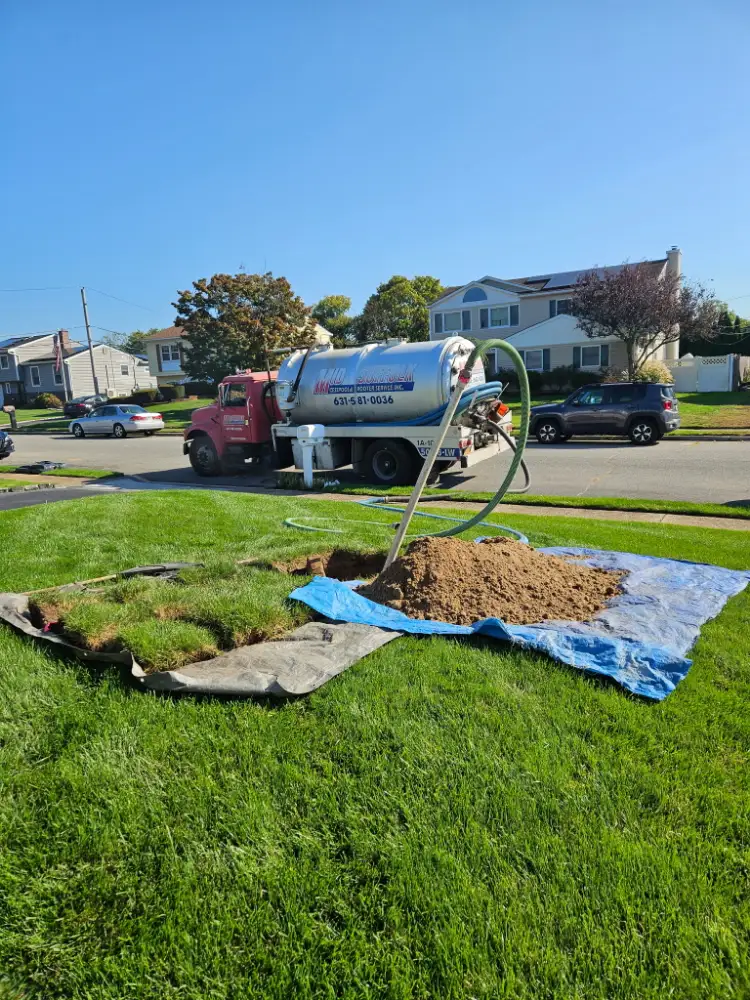
A proper service visit does more than remove waste. The technician will generally confirm access, evaluate visible symptoms, pump the tank or cesspool as appropriate, and watch for signs that the issue may involve the inlet, outlet, or connecting drain line.
If the tank refills quickly, drains remain slow after pumping, or wastewater does not move properly, the issue may not be simple capacity. That is when drain cleaning, hydro-jetting, cesspool inspection, or septic system inspection may be discussed. For a home septic inspection, ask what can be observed during the visit and whether additional evaluation is recommended.
Can pumping fix every septic emergency?
No. Pumping is essential when the tank or cesspool is full, but it will not correct every failure or blockage. A line packed with roots, a damaged pipe, or a system that no longer accepts wastewater may need additional service.
That is why an experienced cesspool company should be direct with you. If pumping is likely to provide relief, you should know. If the symptoms point toward a different service, you should know that too. In some cases, long-term correction may involve installing or replacing a cesspool or a septic system. Those are bigger decisions, so ask for the evidence supporting the recommendation.
How to avoid the next urgent pump out
Preventative septic maintenance is the simplest way to reduce surprise backups. Routine cesspool maintenance and septic maintenance help remove solids before they create capacity and flow problems. The right interval depends on household size, water use, system type, and past service history.
Ask the company these practical questions after the emergency is handled.
- How full was the tank or cesspool?
- Did the waste level suggest delayed maintenance?
- Were there signs of root intrusion or drain restriction?
- Should pumping be scheduled sooner next time?
- Would an inspection help confirm the system condition?
If you prefer an owner-operated cesspool company, ask who will handle scheduling decisions and how follow-up recommendations are made. You can also ask whether the company participates in trade groups such as the Long Island Liquid Waste Association, if that matters to your selection process.
The bottom line
You may be able to get urgent septic pumping the same day, but it is not something any responsible company should promise without details. The fastest path is to call early, stop water use, explain the symptoms clearly, and make the access point easy to reach.
If sewage is backing up, drains are failing throughout the building, or you suspect overflow, treat it as urgent. A focused call gives Mid Suffolk Cesspool the information needed to advise you on pumping, inspection, drain cleaning, or the next practical step.
Take the Next Step
If your septic system is backing up or you need urgent pumping, call now to get a free estimate. Share the symptoms, stop extra water use, and ask about the earliest available service time.
FAQ
Can I get my septic tank pumped today?
Same-day service may be available for urgent backup or overflow situations, but it depends on schedule, access, truck availability, and the details of the problem. Call as early as possible and explain what is happening.
What should I do while waiting for the septic to be pumped?
Stop using unnecessary water. Avoid laundry, dishwashers, long showers, and repeated toilet flushing. If wastewater is backing up, keeping water use low can help limit damage and make the service visit safer.
Does a backup always mean the septic tank is full?
No. A backup can be caused by a full tank, a clogged drain line, root intrusion, or another system issue. Pumping may help, but sewer and drain cleaning or hydro jetting may also be needed.
How can I help the technician work faster?
Know where the tank or cesspool cover is located, clear access if possible, and share the last known service date. Also, explain which fixtures are affected and whether wastewater is backing up inside.
When should I schedule preventative septic maintenance?
Ask after your service visit. The right schedule depends on system size, water use, property use, and what the technician finds during pumping or inspection.